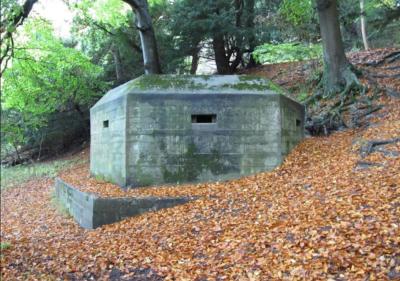
The Hidden WWII Pillboxes of the Upper Thames
Most people walk the Thames Path expecting to discover locks, bridges, wildlife and beautiful riverside scenery. Few expect to stumble across a wartime bunker. Yet hidden among riverside meadows, tucked beside locks and concealed within hedgerows are some of the Thames Path's most intriguing historical treasures – the surviving pillboxes of the Second World War. These small concrete structures have stood silently beside the river for more than eighty years, watching the Thames flow past while the world around them changed.
What Is a Pillbox?
Pillboxes were small defensive bunkers built across Britain during 1940, when the threat of German invasion was at its greatest. Designed with thick concrete walls and narrow firing slits, they provided protected positions for soldiers defending strategic locations. Thousands were built throughout the country, and the Thames became one of the most important defensive lines in southern England. Today, many survive as unexpected landmarks along the Thames Path.
Why the Thames?
To military planners, rivers were natural barriers. Any invading force would need to cross bridges, fords and key transport routes. The Thames therefore formed part of a network of defensive "stop lines" designed to slow enemy advances. Bridges, locks and river crossings became strategic locations, resulting in pillboxes being built across much of the river corridor. Thankfully, they were never needed for their intended purpose.
Around Cricklade and the Upper Thames
Some of the earliest pillboxes encountered along the Thames Path can be found near the quieter reaches around Cricklade. (the header photo is a pill box near Lechlade). Often standing alone in fields or beside old crossing points, they seem curious additions to an otherwise peaceful landscape. Many are partially hidden by vegetation and are easy to miss unless you know what you're looking for.
Pinkhill Lock and the Oxford Floodplain
One of the most atmospheric areas to search is around Pinkhill Lock and the surrounding floodplain west of Oxford. Here, wartime structures sit within a landscape now better known for wildlife and wetlands. The contrast is striking. Today the area is famous for birdlife and nature reserves, yet during 1940 it was considered an important defensive location.
Oxford's Forgotten Defences
As the Thames approaches Oxford, the river crosses numerous roads and transport routes. Several wartime defensive structures survive around the city and its surrounding floodplain, often hidden in plain sight. Many walkers pass these concrete relics without realising they are pieces of Britain's wartime history.
Nature's Takeover
One of the most fascinating things about Thames-side pillboxes is how nature has reclaimed them. Moss covers their roofs. Trees have grown around them. Ivy creeps across their walls, some are filled with silt from years f flooding. They now feel less like military installations and more like mysterious historical monuments emerging from the landscape.
A Pillbox Treasure Hunt
Next time you're walking between Cricklade and Reading, keep an eye out for:
- Small concrete bunkers
- Hexagonal or square structures
- Narrow observation slits
- Pillboxes overlooking bridges
- Defences hidden in riverside meadows
You may walk past several before spotting your first one.
But once you've learned to recognise them, they begin appearing everywhere.
In our next blog, we'll head further downstream to discover London's hidden wartime riverside defences.
Photo: Pill Box, Hartslock Woods