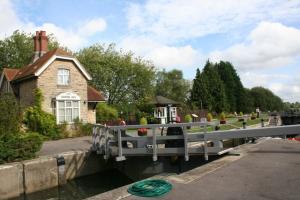
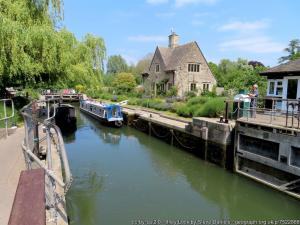
The Thames would be a very different river without its locks.
Today, locks help manage water levels and enable navigation along the river, but they also tell fascinating stories about the Thames' history and development.
Many of the locks along the Trail have become landmarks in their own right. Cleeve Lock, Goring Lock, St John's Lock and Cookham Lock all offer walkers a glimpse of the engineering that has shaped the river for generations.
Watching boats rise and fall remains a surprisingly captivating experience. The steady pace of lock life feels entirely in keeping with the rhythm of the Thames itself.
Lock keepers have long played an important role along the river, managing water levels, assisting boaters and becoming familiar figures within their local communities.
As we celebrate 30 years of the Thames Path, it's worth remembering how much of the river's character is shaped by these historic structures. They are not simply practical features but part of the heritage that makes the Thames unique.
Next time you pass a lock, take a few moments to stop and watch. You may discover that one of the river's oldest technologies remains one of its most fascinating.
Sonning Lock Goring Lock
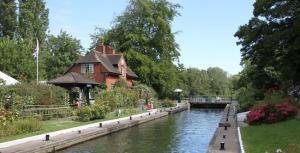
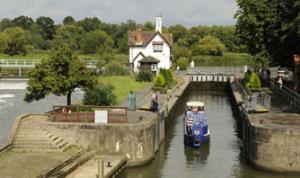
Shifford Lock Iffley Lock